One presenter. Two believable scenes.
Two UGC-style stills with a continuity sheet, not invented customer testimony.
What you need
A fictional adult character reference or a consenting adult's approved reference; a product photo you may use. This exercise creates still images. Video and voice require separate tools and permission.
Work through the exercise
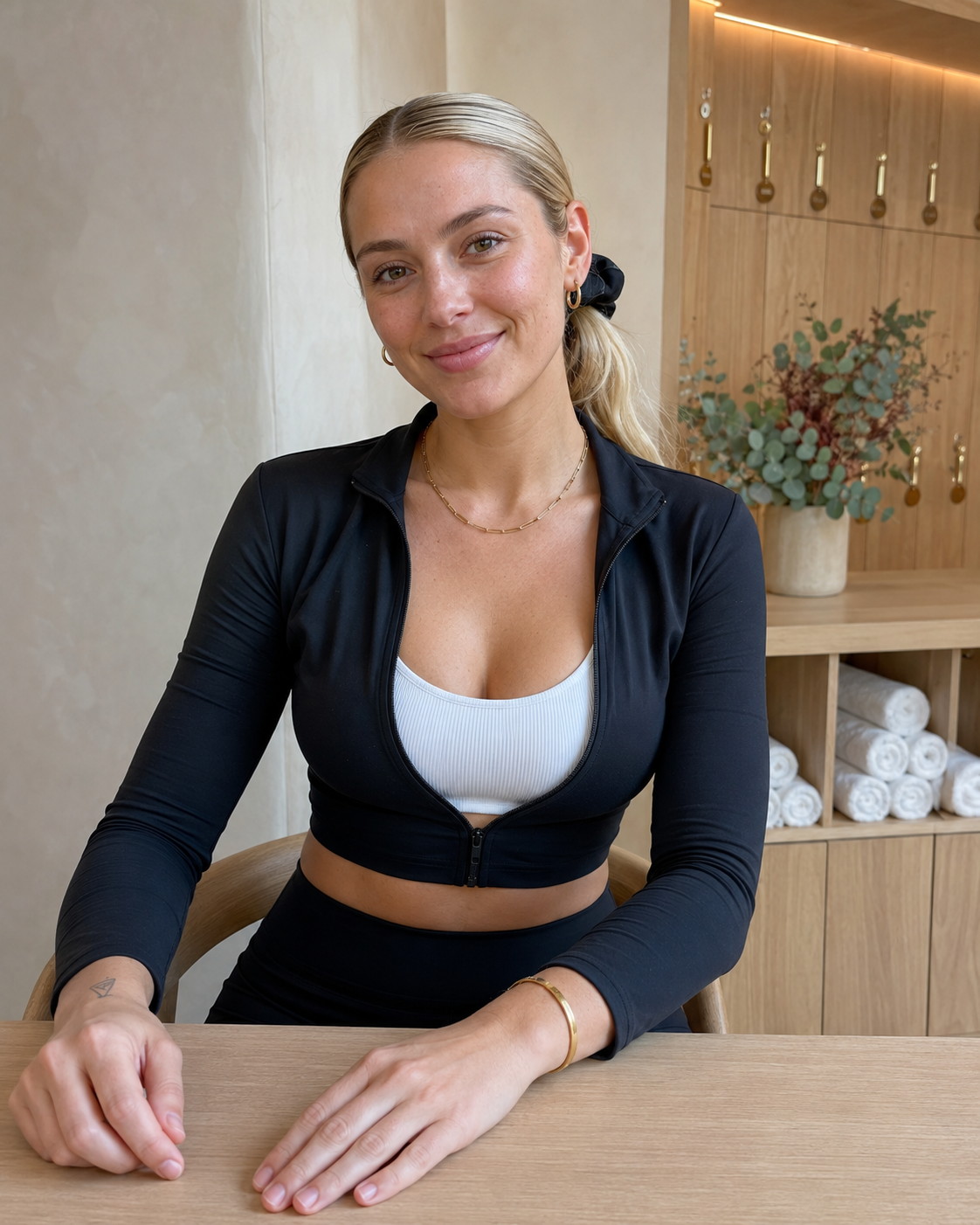
- Write a continuity sheet: facial cues, hair, clothing, jewellery and product grip. Separate identity from background. Use the existing fictional course presenter as a reference if you need a practice input.
- Attach presenter and product separately. Run scene A, then scene B with the same original references. Limit the exercise to one attempt per scene before reviewing.
- Compare face shape, hairline, garment seams, hands and product size side by side. Log drift instead of claiming consistency because the same prompt was used.
- Label shared results synthetic. Use neutral demonstration copy; never put a fabricated purchase experience, health result or endorsement into the presenter's mouth.
You can complete this guide by saving the deliverable and review in your own folder. Sharing inside the club is optional and requires membership.
A prompt to adapt
Replace the bracketed inputs with your own approved material. Keep unknown facts marked unknown.
Create a vertical UGC-style still, not a video.
Reference A defines the adult presenter. Reference B defines the product.
Preserve: [continuity sheet].
Scene: [A: bright kitchen counter / B: sheltered café table; choose one].
Action: holding the product beside the body, fingers visible, label facing the camera without bending it.
Expression: relaxed closed-mouth smile. Camera: casual phone-level framing, natural skin texture and soft available light.
Do not invent logos, product results, testimonial text or additional people. Keep enough empty space for a synthetic-presenter disclosure added in an editor.Review your result
- Both stills match the original identity and product references.
- Hands and grip are physically plausible at full size.
- Synthetic status is disclosed; no customer experience is implied.
If it fails
Simplify the pose before adding more descriptors. A product resting on the counter is a useful fallback when a hand-held version distorts it.
Try recalling it later
Does keeping the same name in a prompt prove you kept the same face?
Read the explanation
No. Compare visible identity cues against the original reference on every output.
Sources and tools
This is an original club exercise. The source-check date identifies this reference edition; it is not a result from running the prompt.
Cirka is our founder's app. We use it as an optional creative workspace in these examples. A separate subscription or credits may be required. Check the tools and models actually available in your account; a model mentioned in a guide is not a claim of Cirka integration.
Continue from here
See how this exercise fits into the AI content creation course, including its full public syllabus.
Browse all free guides for another task, or save your work and return to it later.
Keep learning in the club
Course outlines and these guides are free to read without an account. Full lesson bodies and member features require a paid membership. The preview uses sample data; external tools may charge separately.